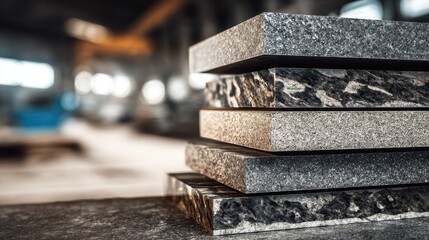
Granite is one of the most widely used natural stones in construction and interior design, valued for its strength, durability, and timeless aesthetic appeal. Formed deep within the earth’s crust under intense heat and pressure, granite is an igneous rock composed primarily of quartz, feldspar, and mica. This unique geological composition gives it a distinctive speckled appearance and exceptional hardness, making it a preferred material for countertops, flooring, wall cladding, and various architectural applications.
In modern design and construction, granite continues to stand out as a premium material due to its combination of natural beauty and long-lasting performance. It is resistant to scratches, heat, and general wear, which makes it especially suitable for high-use areas. Whether used in residential kitchens or large commercial spaces, granite offers both functionality and visual sophistication that few other materials can match.
Understanding What Granite Is and How It Forms
Granite is an igneous rock that forms when magma slowly cools and solidifies beneath the Earth’s surface. This slow cooling process allows large mineral crystals to develop, giving granite its coarse-grained texture and distinctive pattern. The presence of quartz contributes to its hardness, while feldspar provides color variation, and mica adds subtle reflective qualities.
The natural formation process of granite results in a wide variety of colors and patterns. No two slabs are exactly alike, which makes each installation unique. Common color variations include shades of white, gray, black, pink, and green, often mixed in intricate patterns that create a visually dynamic surface.
Because of its geological origin, granite is one of the hardest natural stones available, ranking high on the Mohs scale of mineral hardness. This durability is one of the primary reasons it is used extensively in construction and design applications where strength is essential.
Key Properties That Make Granite Highly Desirable
Granite is widely recognized for its physical and aesthetic properties, which make it suitable for a broad range of applications. Its combination of durability and natural beauty has made it a preferred material for centuries.
Some of the most important properties of granite include:
- Exceptional hardness
Granite is highly resistant to scratching and abrasion, making it ideal for surfaces that experience heavy use, such as kitchen countertops and flooring. - Heat resistance
Due to its formation under extreme heat, granite can withstand high temperatures without damage, making it suitable for cooking and food preparation areas. - Low porosity (when sealed)
While granite is naturally porous, proper sealing significantly reduces its ability to absorb liquids, helping prevent staining and bacterial growth. - Long-lasting durability
Granite surfaces can last for decades when properly maintained, making it a cost-effective long-term investment. - Natural aesthetic variation
Each slab features unique mineral patterns and color variations, offering a one-of-a-kind appearance in every installation.
These properties collectively make granite one of the most reliable and visually appealing natural stones used in modern design.
Common Uses of Granite in Construction and Design
Granite is a versatile material used in both interior and exterior applications. Its durability and aesthetic appeal make it suitable for a wide range of construction and design purposes.
Some of the most common uses include:
- Kitchen countertops
Granite is a popular choice for kitchen surfaces due to its resistance to heat, scratches, and stains when properly sealed. It provides both functionality and elegance in cooking spaces. - Flooring applications
Granite flooring is used in residential and commercial spaces where durability and visual impact are important. Its polished surface adds a luxurious feel to interiors. - Bathroom surfaces
Vanities, sinks, and wall cladding made from granite offer moisture resistance and a sophisticated appearance. - Exterior cladding and facades
Granite is used on building exteriors due to its ability to withstand weather conditions, including rain, heat, and cold temperatures. - Decorative features and monuments
Because of its strength and longevity, granite is often used for sculptures, memorials, and architectural accents.
Each application takes advantage of granite’s unique balance of strength and natural beauty.
Advantages of Using Granite in Homes and Buildings
Granite offers several advantages that make it a preferred material for both residential and commercial projects. One of the most significant benefits is its durability. Unlike many synthetic materials, granite does not easily wear down, making it ideal for long-term use in high-traffic areas.
Another key advantage is its resistance to heat. Hot cookware can be placed directly on granite surfaces without causing damage, which is particularly useful in kitchen environments. Additionally, granite’s resistance to scratches ensures that it maintains its appearance even with frequent use.
Aesthetic value is also a major benefit. Granite adds a sense of luxury and sophistication to any space. Its natural patterns and color variations create visual depth that enhances interior design.
Additional advantages include:
- Low maintenance requirements when sealed properly
- Resistance to moisture and bacteria buildup
- Increased property value due to premium material appeal
- Versatility across multiple design styles
- Long lifespan compared to many manufactured surfaces
These benefits make granite a practical and attractive choice for a wide range of applications.
Maintenance and Care of Granite Surfaces
Although granite is highly durable, proper maintenance is essential to preserve its appearance and functionality. Regular cleaning and periodic sealing help protect the surface from stains and moisture absorption.
Routine care typically involves using mild soap and water or specially formulated stone cleaners. Harsh chemicals should be avoided, as they may damage the sealant or dull the surface finish.
Sealing is an important part of granite maintenance. Depending on usage and exposure, granite surfaces may need resealing every few years to maintain resistance to liquids and stains.
A basic granite maintenance routine includes:
- Daily cleaning with soft cloths and mild cleaners
- Avoiding abrasive scrubbing tools
- Wiping spills immediately to prevent staining
- Periodic sealing of the surface
- Using protective pads under heavy objects
With proper care, granite surfaces can retain their beauty and functionality for decades.
Challenges Associated With Granite Use
Despite its many advantages, granite also presents certain challenges that should be considered before installation. One of the primary challenges is weight. Granite is extremely heavy, which requires strong structural support and professional installation.
Another challenge is cost. High-quality granite can be more expensive than alternative materials, both in terms of purchase and installation. However, its long lifespan often offsets the initial investment.
Installation complexity is also a factor. Cutting and fitting granite requires specialized tools and expertise to ensure precision and prevent cracking or damage.
Other challenges include:
- Requirement for periodic sealing
- Potential for chipping along edges if improperly handled
- Limited flexibility compared to engineered materials
- Transportation and handling difficulties due to weight
- Variability in pattern and color consistency
Despite these challenges, granite remains a highly sought-after material due to its overall performance and aesthetic appeal.
The Lasting Appeal of Granite in Modern Design
Granite continues to be a cornerstone of modern architecture and interior design due to its timeless appeal and reliable performance. Its natural formation process ensures that every piece is unique, adding character and elegance to any space.
Design trends may evolve, but granite maintains its relevance because it combines practicality with beauty. Whether used in contemporary minimalist interiors or traditional designs, it adapts seamlessly to different styles while maintaining its distinctive presence.
Its durability, versatility, and visual appeal make granite a long-term investment that enhances both the functionality and value of a property. As a result, it remains one of the most trusted and widely used natural stones in construction and design industries around the world.
